The manufacturing industry is going through a major shift in 2026, and automation in manufacturing industry is at the center of this transformation. From smart factories to robotics and AI-powered systems, automation is changing how products are designed, produced, and delivered.
Businesses that adopt manufacturing automation trends 2026 are seeing higher efficiency, lower costs, and better product quality.
What is Automation in Manufacturing?
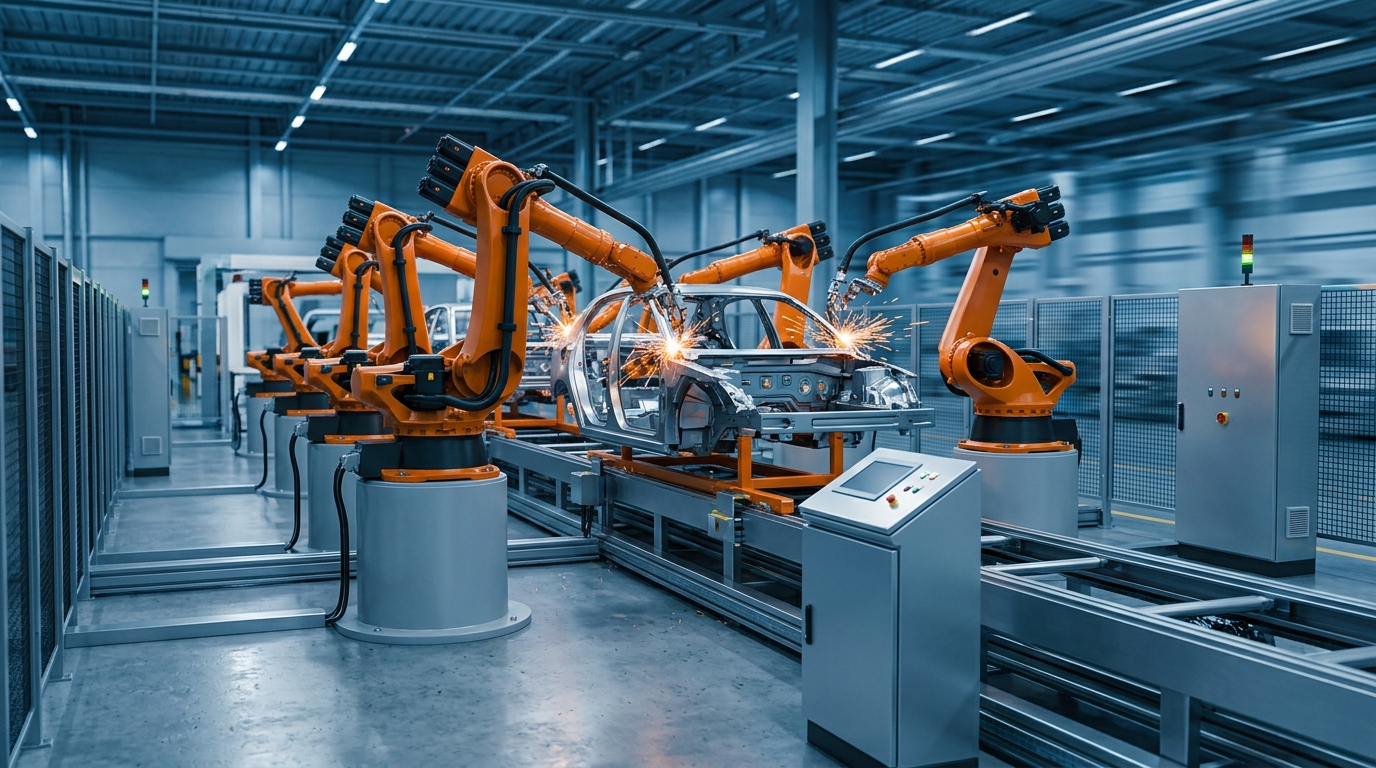
Automation in manufacturing refers to the use of machines, software, and technology to perform tasks that were previously done by humans. This includes production lines, quality checks, and inventory management.
Modern systems use industrial automation benefits powered by robotics, AI, and IoT to improve speed and accuracy.
Increased Production Efficiency
One of the key benefits of factory automation systems is improved production speed. Machines can work continuously without breaks, increasing output.
With automated production systems, manufacturers reduce errors and maintain consistent quality across all products.
Improved Product Quality
Automation ensures better accuracy and reduces human errors. This is one of the main advantages of smart manufacturing technology.
AI-powered systems and sensors help detect defects early, improving overall product quality and customer satisfaction.
Cost Reduction in the Long Run
Although setup costs are high, industrial automation benefits include long-term savings. Businesses reduce labor costs, material waste, and production delays.
This makes automation a smart investment for growing manufacturing companies.
Role of AI and Robotics
AI in manufacturing industry is transforming how factories operate. Smart systems analyze data, predict failures, and improve decision-making.
At the same time, robotics in manufacturing helps handle heavy, repetitive, and dangerous tasks safely and efficiently.
Supply Chain and Efficiency
Automation also improves digital transformation in manufacturing by enhancing supply chain management.
Real-time tracking and smart systems ensure better inventory control and faster delivery processes.
Challenges of Automation
While manufacturing automation trends 2026 bring many benefits, there are also challenges:
- High initial investment
- Need for skilled workforce
- Regular system maintenance
Despite this, the long-term advantages are much greater.
Future of Manufacturing
The future of automation in manufacturing industry is fully digital and connected. Smart factories will rely on AI, IoT, and automated systems for decision-making and production.
This is the true impact of smart manufacturing technology in 2026.
Final Thoughts
Automation in manufacturing industry is no longer optional. It is essential for improving efficiency, reducing costs, and staying competitive.Businesses that adopt manufacturing automation trends 2026 will lead the future of industrial growth.