Retail is changing quickly, and one of the biggest drivers of this transformation is the rise of AI agents. These intelligent systems are no longer just background tools—they are actively shaping how customers discover, evaluate, and purchase products online and in physical stores. From personalized recommendations to automated customer support, AI agents are making shopping smoother, faster, and more intuitive than ever before.
In this blog, we’ll explore how AI agents are improving retail shopping experiences and why they are becoming essential for modern commerce businesses.
What Are AI Agents in Retail?
AI agents are intelligent software systems that can perform tasks, make decisions, and interact with users in a human-like way. In retail, they are used to understand customer behaviour, analyse data, and provide real-time assistance throughout the shopping journey.
Unlike traditional automation tools that follow fixed rules, AI agents learn and adapt over time. This allows them to offer more relevant suggestions and respond better to customer needs.
1. Personalised Shopping Experiences
One of the biggest improvements AI brings to retail is personification. Every shopper is different—they have unique preferences, budgets, and buying habits. AI agents analyse browsing history, purchase patterns, and even real-time behaviour to create a personalised shopping experience.
For example:
- If a customer frequently buys sports shoes, AI will prioritize new arrivals in that category.
- If someone often shops during discounts, AI can highlight ongoing deals first.
This level of personification helps customers find what they need faster, reducing frustration and improving satisfaction.
2. Smarter Product Recommendations
AI-powered recommendation engines are now a standard feature in most e-commerce platforms. These systems suggest products based on user behaviour and similar customer profiles.
Instead of manually searching through hundreds of items, customers are shown relevant suggestions like:
- “Customers also bought”
- “Recommended for you”
- “Frequently bought together”
This not only improves the shopping experience but also increases conversion rates for retailers by encouraging product discovery.
3. 24/7 AI Customer Support
Customer support plays a critical role in retail success. AI chat bots and virtual assistants now provide instant support at any time of the day.
They can:
- Answer product-related questions
- Help track orders
- Assist with returns and refunds
- Guide users through checkout issues
Unlike human agents, AI support systems don’t need breaks, making them highly efficient for handling large volumes of customer queries.
This ensures that shoppers always receive quick responses, which builds trust and improves brand loyalty.
4. Faster and More Efficient Checkout
Cart abandonment is a major challenge in online retail. AI agents help reduce this by simplifying the checkout process.
They can:
- Autofill customer details
- Suggest preferred payment methods
- Detect and apply discounts automatically
- Predict and prevent checkout errors
By reducing friction during checkout, AI helps customers complete purchases more easily, improving overall sales for retailers.
5. Enhanced Search Capabilities
Traditional search systems often rely on exact keywords, which can limit results. AI-powered search, however, understands intent and context.
For example, if a customer searches for “comfortable shoes for long walking,” AI can interpret this and show suitable products even if those exact words are not in the product title.
This intelligent search capability makes it easier for users to find what they want without frustration.
6. Predictive Shopping and Demand Forecasting
AI agents don’t just react they predict. By analyzing trends and customer data, they can forecast what products will be in demand.
Retailers can use this insight to:
- Manage inventory better
- Avoid stock shortages
- Plan promotions more effectively
For customers, this means better availability of trending products and fewer out-of-stock disappointments.
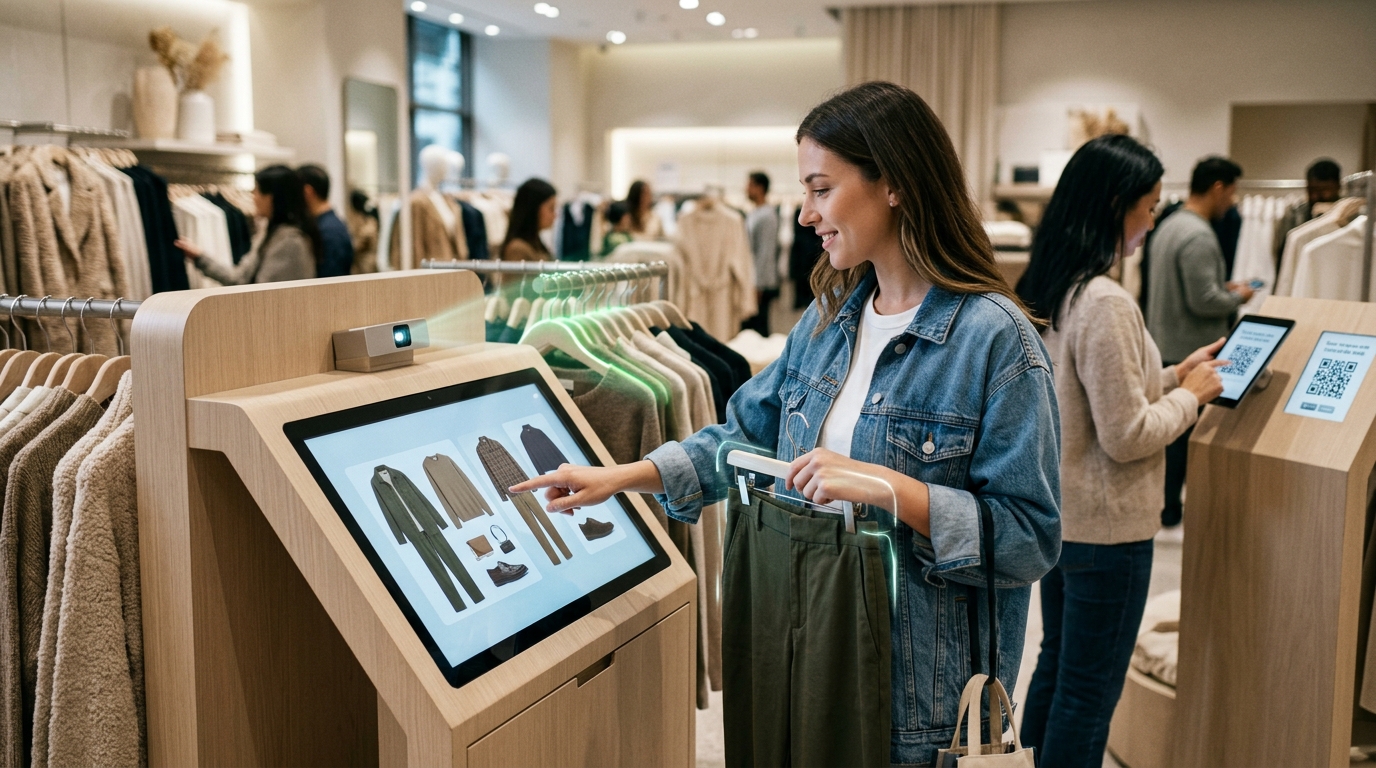
7. Improved In-Store Experiences
AI is not limited to online shopping. In physical stores, AI agents are being used for:
- Smart kiosks for product lookup
- Virtual assistants in retail apps
- Personalised in-store promotions
Some stores even use AI-powered systems to guide customers to products inside large retail spaces, making shopping more convenient.
Conclusion
AI agents are reshaping retail by making shopping more personalised, efficient, and customer-friendly. They help businesses understand customers better while giving shoppers a smoother and more enjoyable experience.
From smarter recommendations to instant support and predictive insights, AI is no longer just a supporting technology it is becoming the backbone of modern retail experiences.
As AI continues to evolve, the future of retail will be even more intelligent, adaptive, and customer-centric.