The world of eCommerce is evolving faster than ever. What worked a few years ago may no longer be enough to stay competitive in 2026. One of the biggest questions businesses face today is whether to stick with traditional eCommerce models or shift toward modern, innovative approaches.
If you’re planning to start or scale an online business, understanding the difference between these models can help you make smarter decisions.
Understanding Traditional eCommerce Models
Traditional eCommerce models follow a simple structure: businesses purchase products, store them in warehouses, and sell directly to customers through an online store. This includes B2C (business-to-consumer) and B2B (business-to-business) models.
These models are often built on powerful platforms like Magento 2, which offer full control over inventory, product management, and customer experience.
Why Businesses Still Choose Traditional Models
Traditional models continue to be popular for a reason:
- You have complete control over product quality
- Strong brand identity and customer trust
- Higher profit margins when managed efficiently
However, this control comes at a cost. Businesses need significant investment in inventory, storage, and logistics. It can also take longer to scale operations.
What Are Modern eCommerce Models?
Modern eCommerce models are designed for speed, flexibility, and lower risk. These include dropshipping, direct-to-consumer (D2C), subscription services, and marketplace selling.
Platforms like Shopify have made it easier than ever to launch and manage these models without heavy upfront investment.
Why Modern Models Are Gaining Popularity
Modern eCommerce is growing rapidly because it removes many traditional barriers:
- Low startup costs
- Faster time to launch
- Easy scalability
- Access to global markets
But it’s not all perfect. You may have less control over product quality, and competition can be intense, especially in saturated niches.
Traditional vs Modern: Key Differences
1. Investment and Risk
Traditional models require upfront investment in inventory and infrastructure, making them riskier initially. Modern models, especially drop-shipping, allow you to start with minimal capital. In 2026, businesses prefer lower-risk options, giving modern models an advantage.
2. Scalability
Scaling a traditional business often means expanding warehouses and operations. Modern models, on the other hand, scale digitally with automation and third-party services. Modern eCommerce wins when it comes to fast growth.
3. Customer Experience
Traditional businesses can control packaging, delivery, and product quality, which helps build trust. Modern businesses focus more on personalization, speed, and convenience. This is a close call—it depends on how well the business executes its strategy.
4. Brand Building
If your goal is to build a strong, recognizable brand, traditional models offer more control. Marketplace-based modern models may limit brand visibility.
Traditional models still have the edge in branding.
Trends Defining eCommerce in 2026
To understand which model wins, we need to look at current trends:
- Mobile-first shopping is now standard
- Customers expect faster delivery
- AI-driven personalization is shaping buying decisions
- Social media is becoming a major sales channel
Modern eCommerce models are naturally aligned with these trends, making them more adaptable in a fast-changing market.
So, Which One Wins in 2026?
If we look purely at growth, flexibility, and adaptability, modern eCommerce models are leading in 2026.
They allow businesses to:
- Launch quickly
- Test ideas with minimal risk
- Scale without heavy investment
However, traditional models are far from outdated. They remain highly effective for businesses that prioritize product quality, brand control, and long-term customer relationships.
The Smarter Approach: Go Hybrid
Instead of choosing one over the other, many successful businesses are combining both models.
For example:
- Selling through marketplaces while building a branded website
- Using dropshipping for new products and stocking best-sellers
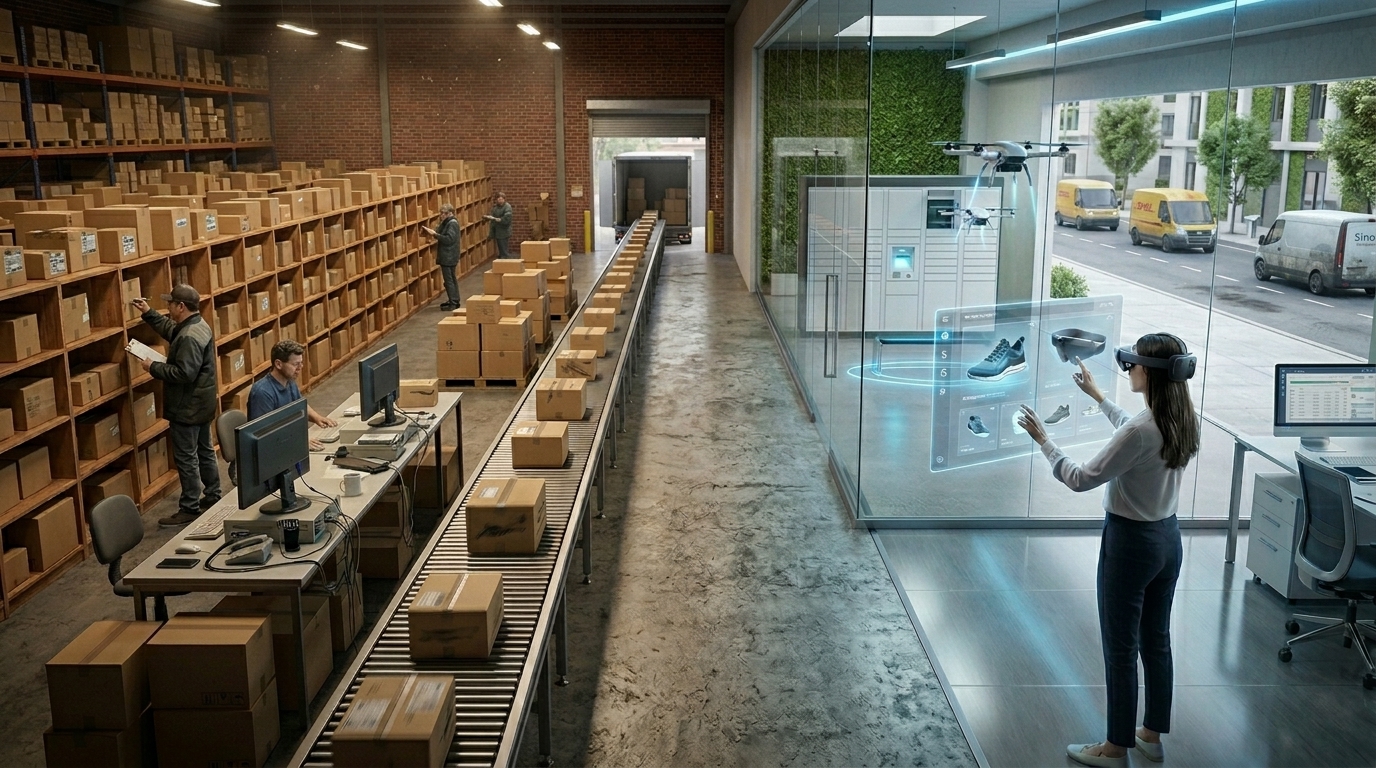
- Mixing online and offline experiences
This hybrid approach gives you the flexibility of modern eCommerce and the stability of traditional models.
Final Thoughts
In 2026, there is no single “winning” model that fits every business. The right choice depends on your goals, budget, and long-term vision.
If you want speed and low investment, modern eCommerce is the way to go. If you’re focused on building a strong brand with full control, traditional models still hold great value.
But if you want the best results, don’t limit yourself—combine both and build a strategy that evolves with your business. That’s how you truly win in today’s eCommerce landscape.